Fun family games trends 2026 are shaping up to bring exciting changes to living rooms and backyards everywhere. This year, families can expect games that blend physical play with digital elements, encourage teamwork, and respect the environment. The gaming industry has listened to what modern households want: quality time together without complicated setups or hour-long commitments. From quick 15-minute card games to app-enhanced board games, the options keep expanding. This guide breaks down the biggest fun family games trends 2026 has to offer, helping families find their next favorite activity.
Table of Contents
ToggleKey Takeaways
- Fun family games trends 2026 highlight hybrid physical-digital games that combine board game pieces with smartphone apps for a fresh, inclusive experience.
- Cooperative and team-based games are surging in popularity, helping mixed-age families play together without sibling rivalry or hurt feelings.
- Eco-friendly games made with recycled materials and sustainable packaging reflect growing family demand for environmentally conscious products.
- Quick-play games lasting 15–30 minutes are perfect for busy households and actually get more total playtime than longer alternatives.
- Classic game reboots with modern mechanics and updated rules are bridging generations and sparking shared family memories.
The Rise of Hybrid Physical-Digital Games
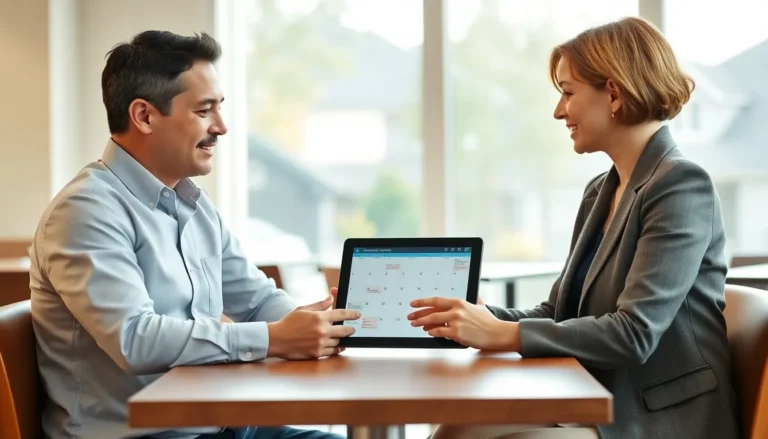
One of the standout fun family games trends 2026 brings is the explosion of hybrid games. These combine traditional board game pieces with smartphone apps or tablet integration. Players might roll physical dice while an app tracks scores, plays sound effects, or introduces surprise twists.
Why does this matter? Kids today grow up with screens as second nature. Parents want meaningful offline time but don’t want games to feel outdated. Hybrid games solve both problems. They feel fresh and interactive while still requiring everyone to gather around a table.
Popular examples include mystery games where an app reveals clues based on physical card choices. Some adventure games use augmented reality to make game boards come alive. The technology enhances rather than replaces the social experience.
These hybrid options also level the playing field. Younger children who struggle with complex rules can rely on app guidance. Grandparents who might feel intimidated by pure video games can still participate in something familiar.
Expect more major game publishers to release hybrid versions of existing favorites throughout 2026. The fun family games trends 2026 shows clearly point toward this middle ground between analog and digital play.
Cooperative and Team-Based Games Take Center Stage
Competitive games have their place, but fun family games trends 2026 reveal a strong shift toward cooperation. Families are choosing games where everyone works together against the game itself rather than against each other.
This makes sense for mixed-age groups. A five-year-old playing against a teenager rarely ends well. Someone cries. Someone gloats. Nobody really wins.
Cooperative games change the dynamic entirely. Players share strategies, celebrate together, and learn from losses as a team. Games might pit the family against a timer, a villain character, or an escalating challenge that requires combined effort.
Team-based options split families into groups, adding friendly competition while still encouraging collaboration within teams. These work especially well for larger gatherings like holiday get-togethers or reunion weekends.
Game designers have responded to this demand with clever mechanics. Some cooperative games assign secret roles so everyone contributes uniquely. Others scale difficulty based on player count or experience level.
The psychological benefits are real too. Cooperative play reduces sibling rivalry, teaches problem-solving, and builds communication skills. Parents report that these games lead to fewer arguments and more genuine fun.
Eco-Friendly and Sustainable Game Options
Environmental consciousness shapes many fun family games trends 2026 offers. More families want products that align with their values, and game manufacturers have taken notice.
Sustainable games use recycled cardboard, plant-based inks, and minimal plastic components. Some companies have eliminated shrink wrap entirely, opting for paper seals instead. Packaging has gotten smarter too, boxes sized appropriately rather than oversized for shelf presence.
Beyond materials, some games teach environmental themes through gameplay. Players might manage forests, protect wildlife, or build sustainable cities. These educational angles let families discuss important topics while having fun.
The secondhand and trade market for games has grown significantly. Community game libraries, swap events, and rental services make it easier to try games without buying new copies. This extends product life cycles and reduces waste.
Quality matters here too. Cheaper games fall apart quickly and end up in landfills. The fun family games trends 2026 highlight favor durable components that survive years of play. Families increasingly view games as long-term investments rather than disposable entertainment.
Quick-Play Games for Busy Families
Time constraints shape how families play together. Fun family games trends 2026 show growing demand for games that deliver satisfaction in 15 to 30 minutes rather than two hours.
Modern households juggle packed schedules. Sports practices, work commitments, and assignments leave limited windows for family activities. Games that require elaborate setup or lengthy play sessions simply don’t get played.
Quick-play games fit into those small pockets of time before dinner, during breakfast on weekends, or as wind-down activities before bed. They’re portable enough for restaurants, waiting rooms, and road trips.
Designers have gotten creative with condensed formats. Some offer campaign modes where short sessions connect into longer stories over weeks. Others pack surprising depth into simple rule sets that anyone can learn in minutes.
Card games dominate this category, but dice games, tile-laying games, and even miniature board games have joined the quick-play space. The key is immediate engagement without sacrificing interesting decisions.
Families report that shorter games actually get more total playtime than longer ones. It’s easier to say yes to “one quick round” than to commit an entire evening.
Nostalgia Meets Innovation in Classic Game Reboots
Some of the most anticipated fun family games trends 2026 involve fresh takes on beloved classics. Game companies are updating decades-old favorites with modern mechanics while preserving what made them special.
These reboots appeal to multiple generations. Parents and grandparents remember playing the originals during their childhood. Kids get introduced to iconic games through versions designed for contemporary tastes.
Updates vary in approach. Some add new cards or pieces that expand strategic options. Others streamline rules to reduce playtime. A few integrate digital components for enhanced experiences.
The nostalgia factor drives initial interest, but quality improvements keep families playing. Clunky mechanics from the 1970s or 1980s get smoothed out. Outdated themes receive thoughtful refreshes that resonate with modern audiences.
Collector editions with premium components have found an eager market too. Families invest in beautiful versions of games they love, treating them as permanent fixtures in their homes.
This trend benefits everyone. New players discover proven gameplay. Veteran players rediscover old favorites. And game nights spark conversations across generations about shared experiences and memories.